06 June 2025
6 June 1969: A Historic Act of the Crimean Tatar National Movement
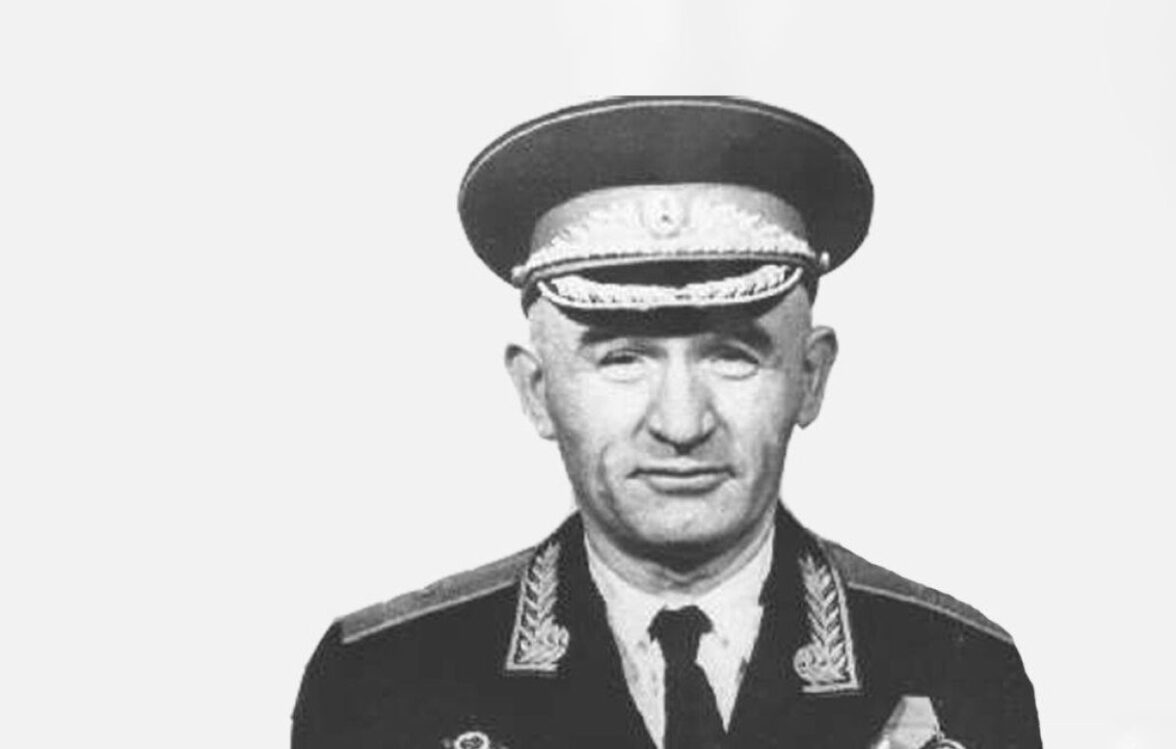
In the history of the Crimean Tatar national movement, the demonstration of June 6, 1969, holds a distinctive place as an act of extraordinary courage and civic resistance against the totalitarian regime. Though it lasted only a few minutes, the protest became a powerful example of unwavering determination in the struggle for the right of return to the Crimean homeland.
The protest took place in the center of Moscow, at Mayakovsky Square, during the International Meeting of Communist and Workers’ Parties — a political event meant to showcase the unity of the global communist movement. Unexpectedly, it became the stage for exposing the Soviet regime’s disregard for the rights of the Crimean Tatar people.
The demonstration was a response to the Central Committee’s resolution of August 17, 1967, which institutionalized the approach of “final resolution” of the so-called “Crimean Tatar issue.” Rather than restoring their rights or enabling repatriation, the authorities promoted a policy of “consolidation” — anchoring Crimean Tatars in their places of exile, primarily in Uzbekistan. This position was formalized in the decree of the Presidium of the Supreme Soviet of the Soviet Union on September 5, 1967, which stated that Crimean Tatars had “taken root in the territory of the Uzbek and other union republics.” In effect, the Soviet leadership signaled its intention to deny the people’s right to return.
While the decree nominally lifted collective accusations against Crimean Tatars, it offered no practical mechanism for return. A subsequent resolution (No. 494) claimed they could reside anywhere in the USSR in accordance with the law, but in practice, those who attempted to return to Crimea were denied residence permits, forcibly expelled, and subjected to administrative and police repression — echoing Stalin-era deportations.
The decree was not publicly announced but instead disclosed during closed Communist Party meetings at workplaces employing Crimean Tatars. There, it was emphasized that the decision was final, and dissenters would face punishment — creating an atmosphere of fear and pressure.
Despite this, many Crimean Tatars initially viewed the decree as a potential opportunity. When their hopes were crushed, early attempts to return home ended in forced removals, legal pressure, and arrests. The years 1967–1969 marked a period of intensified repression against activists, culminating in the arrest of General Petro Hryhorenko in May 1969, a prominent defender of Crimean Tatar rights. His detention became the immediate catalyst for the demonstration in Moscow.
On June 6, 1969, Enver Ametov, Zampira Asanova, Reshat Dzhemiliev, Aider Zeitullaiev, Ibrahim Kholapov, and Irina Yakir unfurled banners on Mayakovsky Square that read:
“Communists, return Crimea to the Crimean Tatars!”
“Stop the persecution of Crimean Tatars!”
“Freedom for General Hryhorenko!”
The demonstration lasted only six minutes before the participants were detained and taken to the Ministry of Internal Affairs. Ametov, Asanova, Zeitullaiev, and Kholapov were forcibly returned to Novooleksiivka; Dzhemiliev was sent to Nizhnebakanskoye. The international visibility of the party congress prevented their immediate arrest, but repression followed shortly after.
Each participant had their own story of resistance. Enver Ametov conducted hunger strikes and was forcibly expelled from Crimea. Zampira Asanova signed letters to international organizations and spoke directly with KGB leadership. Reshat Dzhemiliev, active since the 1950s, organized rallies and petitions and faced repeated harassment. Irina Yakir, daughter of a repressed human rights defender, documented dissident movements. Ayder Zeitullaiev and Ibrahim Kholapov were likewise active in peaceful resistance, signing petitions and participating in sit-ins.
Following the demonstration, Reshat Dzhemiliev wrote:
“I had no doubt the Soviet authorities would not forgive such a daring act… We exposed to the world the deceitfulness of their policies… They sent us to the periphery to deal with us quietly…”
And so it happened — Dzhemiliev was arrested, and others were persecuted. Yet the Crimean Tatar movement persisted. Long decades of struggle lay ahead — for return, for recognition, and for historical justice.
This act remains part of the shared history of the struggle for freedom, human rights, and dignity. Today, just as then, we stand united in defending these values.