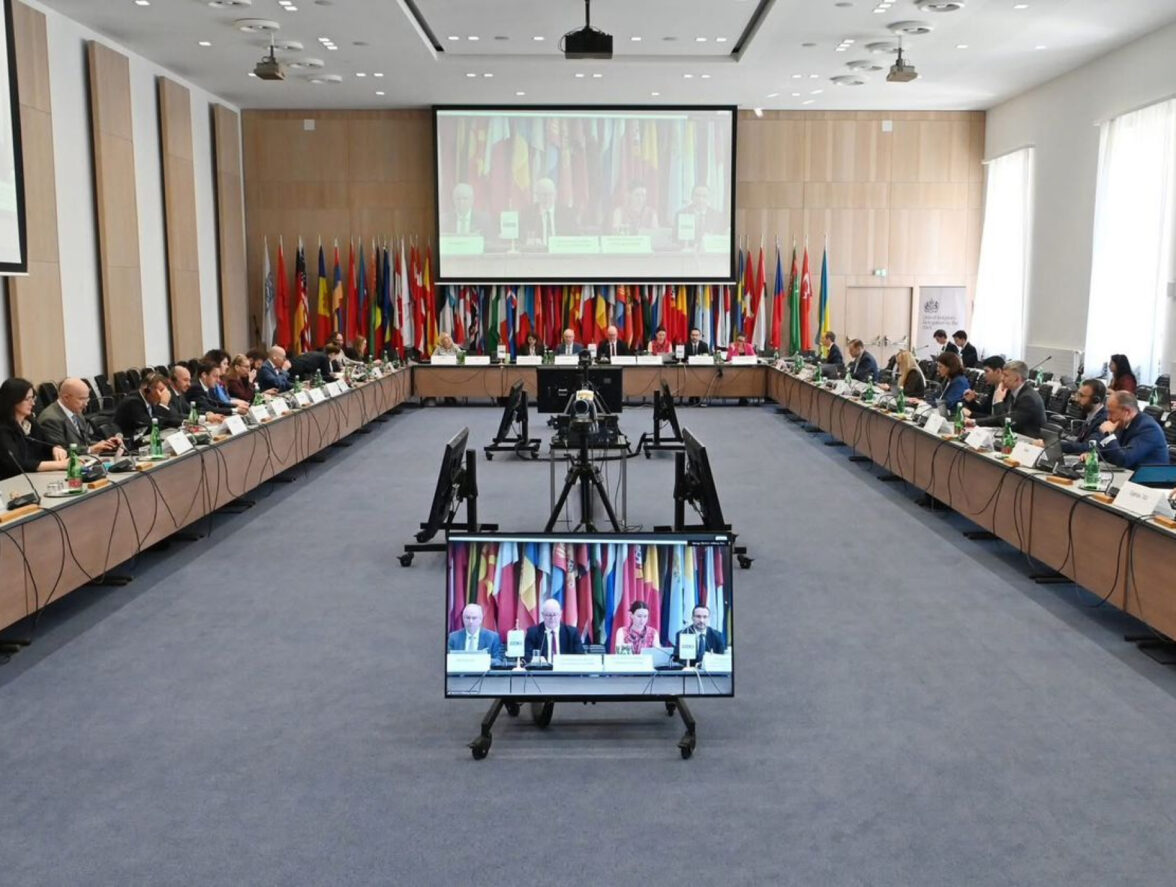
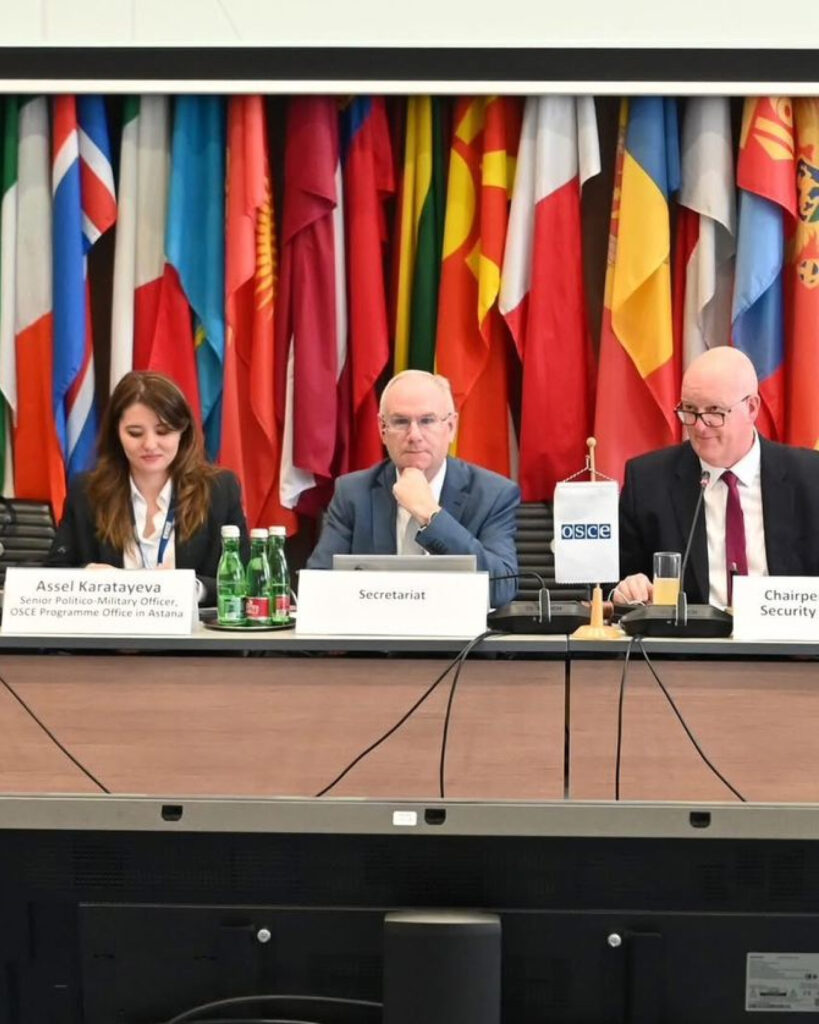
During the OSCE Security Committee meeting, Ukraine drew attention to a model of organized crime that Russia has developed and tested in occupied Crimea
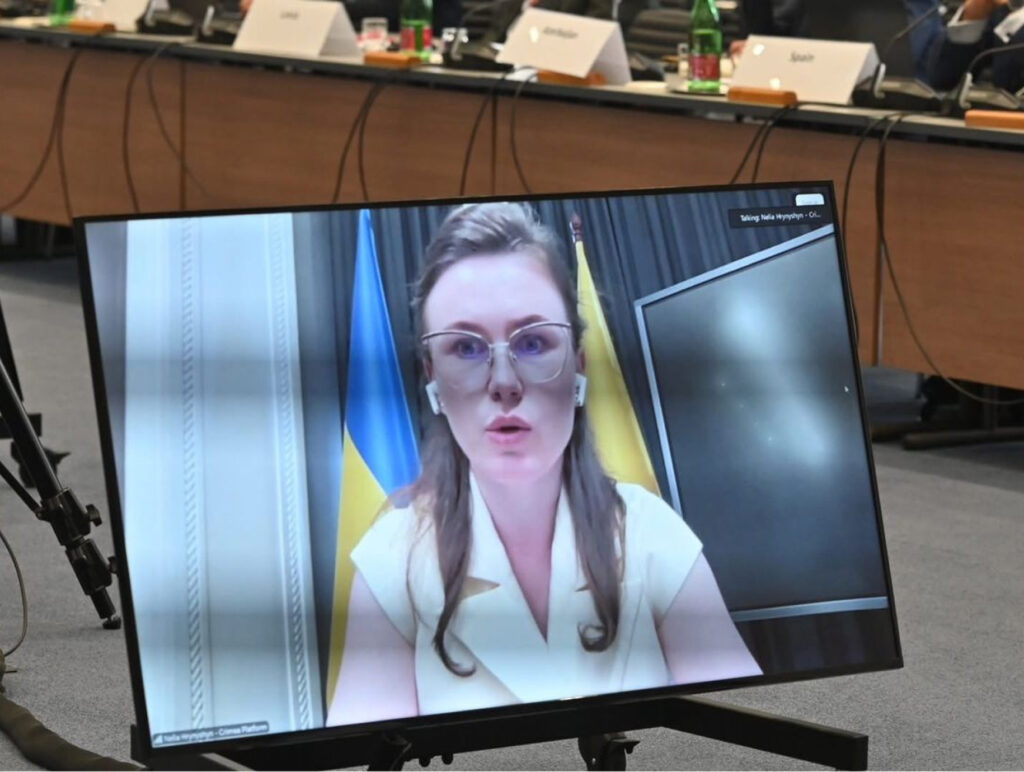
On 15 June, at a meeting of the OSCE Security Committee, Ukraine highlighted the model of state-criminal partnership developed by Russia in occupied Crimea and now used in other regions of the world.
Nelia Hrynyshyn, Head of the Crimea Platform Department, took part in the panel discussion and outlined the key elements of this model:
the use of a “shadow fleet” for the illegal export and sale of Ukrainian grain through the ports of Crimea, Mariupol, and Berdiansk;
the involvement of Russian private military structures – from the Wagner PMC to the so-called “Africa Corps” – to advance the Kremlin’s interests abroad;
the integration of criminal groups into the occupation governance system in Crimea;
the recruitment of Ukrainian citizens through the penitentiary system in temporarily occupied Crimea for subsequent use in sabotage and destabilization activities.
In response to these challenges, Ukraine calls on OSCE participating States to strengthen coordination in countering state-directed organized crime, hybrid criminal operations, and recruitment schemes, in order to enhance regional security.