14 May 2025
Crimean Tatar Names Among the Righteous of Ukraine
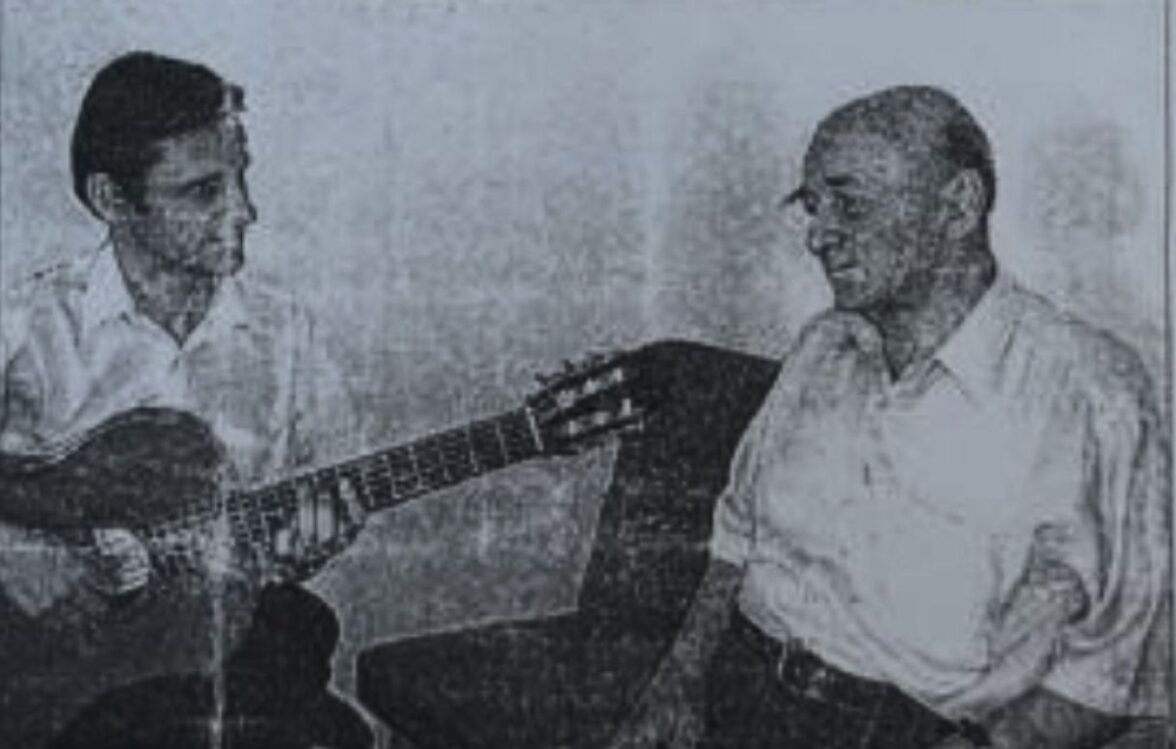
On 14 May, Ukraine marks the Day of Remembrance of Ukrainians Who Rescued Jews During World War II. Among them were Crimean Tatars, residents of Crimea, who risked their lives to help Jews survive under Nazi occupation. Their bravery is part of a shared history of resistance to evil and defense of humanity, a legacy that holds particular significance today. These individuals saved Jews from persecution, death, and concentration camps — doing so without weapons, without expectation of reward, and at the risk of their own lives and the lives of their families.
Ilyasov family from Simferopol (Aqmescit)
In September 1941, following the onset of Nazi occupation in Crimea, the peninsula witnessed mass arrests, executions, and forced relocations of Jewish populations, Krymchaks, and Karaites. Among those under threat was Leon Pilch, a young Jewish man who, like hundreds of others, faced imminent danger. In search of refuge, he turned to the Ilyasov family, whom he knew in Simferopol.
Despite the deadly risk, Sheikh Seit-Ibrahim Ilyasov and his wife Fatma Ametova chose to help. They hid Leon in their home and later obtained false documents for him under the name Leonid Pilchuk, which helped avoid suspicion. Leon received a new passport, clothing, and supplies, and the family helped him escape the occupied territory. After his departure, contact with him was lost.
More than 60 years later, after returning from Soviet exile, Ilmi Ilyasov, the son of the rescuers, accidentally met Leon’s son, Hennadii. That day, Hennadii played the guitar for them, and they talked — remembering their parents.
The story of the Ilyasov family is a powerful testament to the fact that Crimea has always been and remains a part of the broader Ukrainian history of resistance, solidarity, and humanity. The Ilyasovs were recognized as Righteous of Ukraine — an honorary title awarded to those who rescued Jews during the Holocaust.
The Kurtiiev Family, Ayman Quyu
The Kurtiiev family lived in the village of Ayman Quyu, near Kerch. On 16 November 1941, the area was occupied by Nazi forces, and just a few days later, a Jewish family arrived in the village: Nina Bakhshi and her two daughters, Alla and Feodosiia, had fled Kerch after their house was destroyed in an air raid. Nina’s husband had been killed, and fearing persecution, she sought refuge. She asked the Kurtiiev family for a place to rest. They warmly welcomed her and offered shelter to her and her daughters. The next day, the head of the household informed the village elder that he was hosting a widow and her children, whom he presented as relatives from Kerch. The Bakhshi family lived openly in the village, but within a week, Nina noticed that some locals had begun to pay her unwanted attention. Fearing the consequences, she decided to return to Kerch. Dzhafer, the eldest son of the Kurtiiev family, accompanied her on the journey. Meanwhile, Nina’s daughters stayed with the Kurtiievs until the first liberation of Kerch on 30 December 1941. The next day, Nina returned for her children, and the family escaped farther into Soviet-controlled territory.
Saide Arifova, Bakhchysarai (Bağçasaray)
Saide Arifova was born on 13 February 1916 in Bakhchysarai. During World War II, she worked as the head of a kindergarten and, at great personal risk, hid Jewish children, passing them off as Crimean Tatars. She forged documents, taught the children the Crimean Tatar language and customs, helped women and children flee to rural areas, and issued fake birth certificates.
One of the most notable episodes of her bravery was her role in rescuing 73 children from the Kerch quarries. By using false certificates claiming the children had infectious diseases and with the help of local residents, she managed to transfer them to a safer location — the house of Ismail Gasprinskyi in the village of Salachyk. All of the rescued children survived.
For her actions, Saide faced persecution by the Nazis. After the war, in 1944, the Soviet authorities carried out the criminal deportation of the Crimean Tatar people. Once again, Saide worked to save children — this time from being deported — by proving they were Jewish. Nevertheless, she and her family were deported to Uzbekistan, despite her role in saving many lives.
It was only in her later years that Saide Arifova was able to return to Crimea. She dreamed of finding the children she had saved and learning about their lives. In 2003, she participated in the television project Wait for Me, where she shared memories of those terrible years and the stories of the people she fought for.
Sayde Arifova passed away on 9 August 2007 at the age of 91. She was buried in the Muslim cemetery in the village of Chystenke, near Simferopol.
Names of Crimean Tatars recognized as Righteous among Ukrainians:
Adzhi-Kudurova Shaziie, Arifova Saide, Dinishaiev Beitulla Hafarovych, Dinishaieva Venera Beitullaivna, Iliasov Dilshad, Iliasov Ilmi, Iliasov Riza, Iliasov Seit-Ibram, Iliasova Fatme, Kurtiiev Zufer, Kurtiiev Rustem, Kurtiieva Saniie, Umerov Edas, Umerov Usni, Umerov Shefik, Umerova Alime, Umerova Zylkha, Umerova Sabry, Umerova Fatma Bekir.