22 May 2025
Crimean Tatar Journalist Osman Arifmemetov Was Illegally Transferred to a Russian Penal Colony
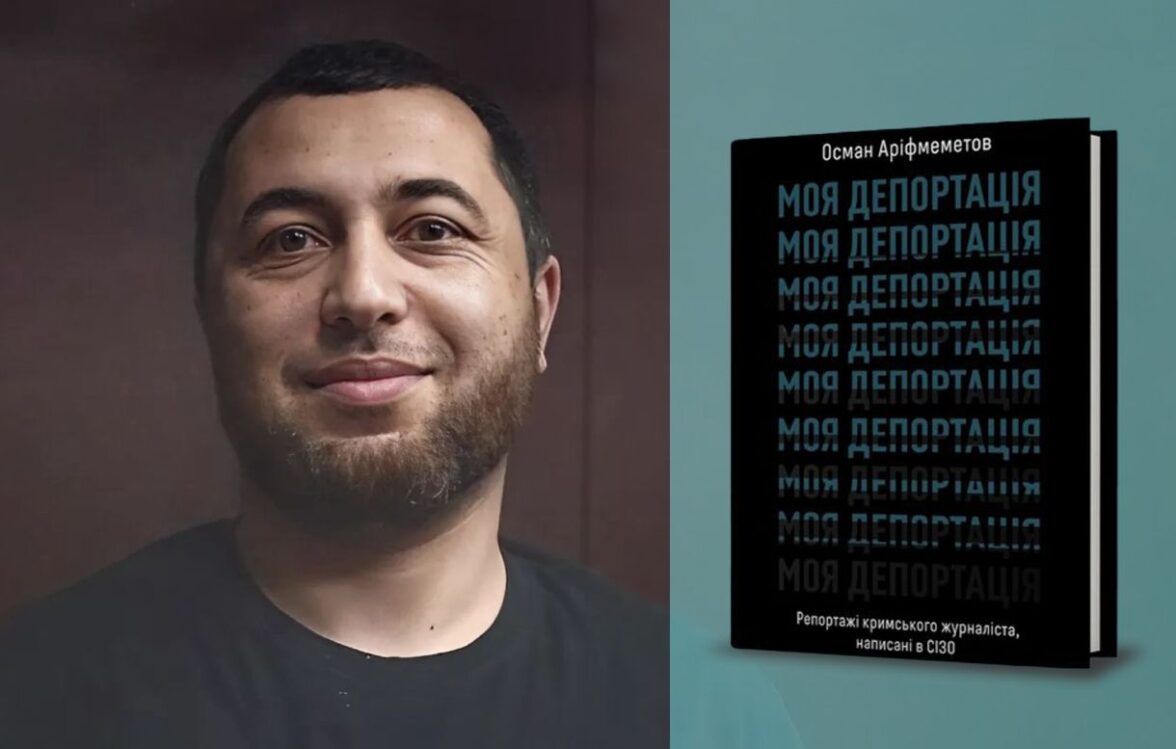
Crimean Tatar civic journalist Osman Arifmemetov, unlawfully sentenced by the Russian Federation to 14 years of imprisonment, has been transferred from a prison in Minusinsk (Krasnoyarsk Krai) to a new place of incarceration. According to information provided by his family, he was transported from Achinsk on May 14, 2024. He is currently being held in Pre-Trial Detention Center No. 3 in Chelyabinsk. His final destination is expected to be one of the penal colonies in the Orenburg region.
This transfer of a Ukrainian citizen constitutes a violation of international humanitarian law, specifically the Fourth Geneva Convention. The Russian Federation continues to carry out systematic and unlawful transfers and relocations of Ukrainian political prisoners — a process that has come to be known as the “silent deportation.” This practice directly echoes the 1944 genocide of the Crimean Tatar people, when the Soviet regime forcibly deported the entire Crimean Tatar population from Crimea.
In a letter to his family dated May 19, Arifmemetov compared his current transportation conditions to the historical deportation of the Crimean Tatars:
“After two days in the [train] cell, the walls and floor had become sticky. About 20 people in the cells were eating, drinking, breathing, going to the toilet, and sweating. Plus, a guard was walking the corridor. Eighty-one years ago [on May 18, 1944], men, women, and children were forcibly placed into wagons where there were no toilets, no water, and no food. What were they thinking about in those suffocating, dirty, stinking iron boxes? Here, we are taken to the toilet every 4–5 hours. If you need to go badly, you just endure it. (…) It was especially stifling when they closed the windows and pulled down the curtains. Of course, my situation is not comparable [to that of the deported Muslims].”
Throughout his years of imprisonment, Osman Arifmemetov has documented the reality of political persecution, interrogations, detention conditions, and prison transfers. These writings have become the basis of his forthcoming book My Deportation: Reports by a Crimean Journalist Written in Detention, composed during his time in Simferopol, Rostov-on-Don, Novocherkassk, and Minusinsk.
This book records the crimes committed by the occupation administration against the Crimean Tatar people, freedom of speech, and human dignity. It carries the voice not only of Osman but of many other unlawfully imprisoned Crimeans who have become targets due to their journalistic, human rights, or religious activities.
We call on the international community and human rights organizations to draw urgent attention to the widespread violations of human rights committed by the Russian Federation in the temporarily occupied territories, including Crimea, and to intensify pressure on the aggressor state to ensure the immediate release of all unlawfully detained Ukrainian citizens, particularly those from the Crimean Tatar community.