18 November 2025
International Day of Islamic Art: The Heritage of Crimea
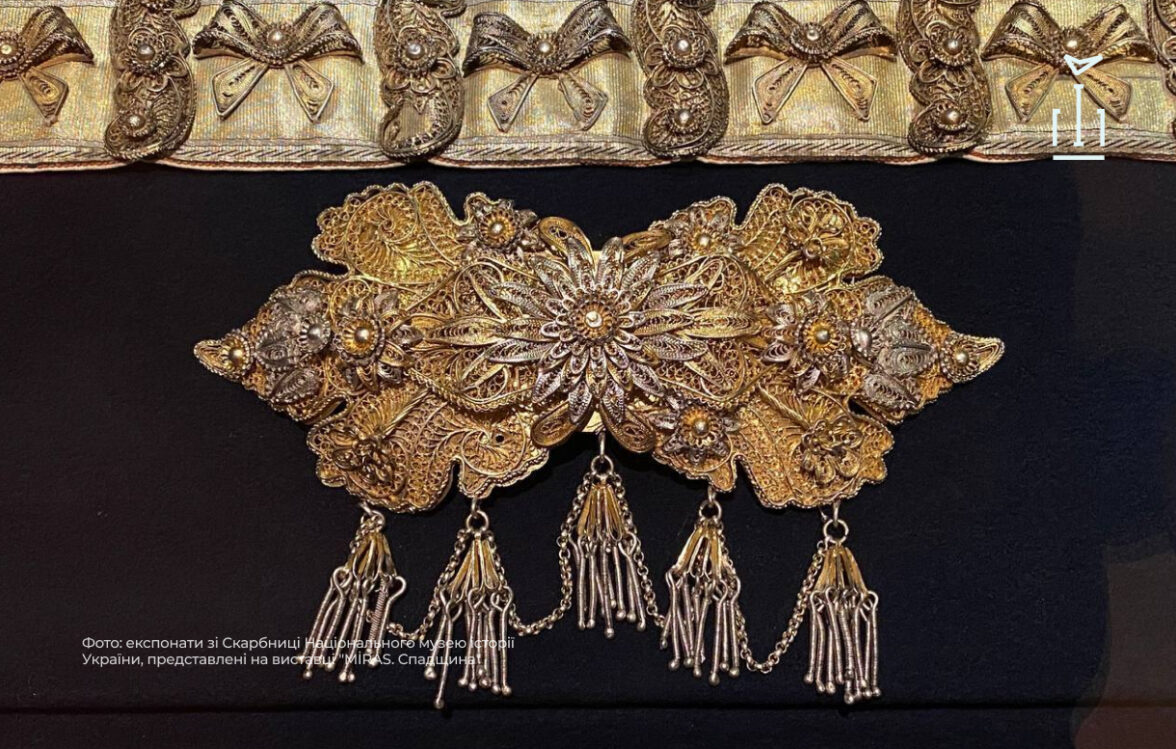
Islamic art in Crimea represents a millennia-old layer of spiritual and material culture, shaped by Islam, Turkic states, Ottoman tradition, and local Crimean characteristics. During the Crimean Khanate period (1441–1783), the peninsula witnessed a flourishing of architecture, jewelry art, decorative and applied crafts, calligraphy, and musical culture — all of which remain fundamental elements of Crimean Tatar identity today.
Khanate-period architecture is among the highest expressions of Islamic art in Crimea, characterized by refined proportions, simple forms, inner courtyards, arcades, minarets, and spacious halls adorned with rich decoration. The Khan’s Palace in Bakhchisarai is a unique ensemble of Crimean Tatar palace architecture from the 16th to 18th centuries. The complex includes the Khan’s Mosque, the Sokol Tower, the Divan Hall, the Harem Hall, the Fountain of Tears, and other masterpieces of Crimean Tatar art. It is recognized as a national heritage site and has been included on Ukraine’s tentative list for UNESCO World Heritage status. The Khan Uzbek Mosque in Staryi Krym (1314) is one of the oldest mosques in Eastern Europe, founded during the Golden Horde era, while the Beybars Mosque (1287–1288) dates to the same period. Dürbe (mausoleums), madrasas, caravanserais, and dervish tekkes are integral elements of the peninsula’s Islamic architectural tradition.
Crimean Tatar decorative art combines the urban crafts of Bakhchisarai, Karasubazar, Kezi, and Akmescit with the traditions of nomadic tribes. Ornamentation developed under Islamic aesthetic influence, featuring plant motifs, stylized foliage, grapevines, geometric patterns, and calligraphic elements. Major crafts include stone and wood carving, metalwork, carpet weaving, embroidery, jewelry art — particularly filigree, a delicate technique of silver and gold weaving — ceramics, and artistic glass.
Filigree is one of the most refined forms of metalwork with deep roots in Crimea. Silver threads were twisted, soldered, and arranged into intricate ornamental forms, from amulets and jewelry to costume elements. In the 19th–20th centuries, Crimean Tatars actively preserved this tradition in family workshops. Renowned filigree masters include Aider Asanov (Aider-usta Asanov), one of the most famous contemporary Crimean Tatar jewelers, who revived traditional silver weaving techniques in the late 20th and early 21st centuries. He established his own school, preserving craft techniques threatened by the deportation of Crimean Tatars, and mentored young artisans in both the diaspora and Crimea. His daughter, Elmira Asanova, continues the family tradition, working in the style of Crimean Tatar jewelry ornamentation.
Crimean Tatars have long been known as skilled metalworkers, producing copper and brass utensils, inlaid candlesticks, and decorative plates with characteristic ornamentation. Many Crimean towns had entire districts of craftsmen — baqırcılar (coppersmiths), quyumcılar (jewelers), demirciler (blacksmiths).
During the Khanate period, Crimean Tatar writing used the Arabic script. Calligraphy appeared in religious texts, architectural decoration, official documents of the khan’s chancery, and in decorative-applied arts.
Islamic art in Crimea was also closely linked with music and poetry. Prominent figures included Ashik Umer, a Crimean Tatar Sufi poet and one of the most renowned artists of his time in the Islamic world, as well as Mevlya Kantemir and other representatives of the spiritual musical tradition.
Ceramics is one of the oldest branches of Crimean Tatar art, combining traditional ornamentation with Islamic aesthetics. Among contemporary artists, Mamut Churlu stands out as a leading Crimean Tatar ceramist who revived the traditional Crimean Tatar pottery school, blending Ornek patterns, floral motifs, and classical Islamic elements. His most prominent student, Rustem Skibin — Honored Master of Folk Art of Ukraine — developed his own polychrome ceramic painting style, “Quru Isar / Dry Partition,” within the Crimean Tatar ornamental tradition.
Islamic art in Crimea is a living cultural code that preserves the identity of the Crimean Tatar people, shapes Ukraine’s cultural heritage, demonstrates Crimea’s civilizational ties to the Turkic-Islamic world, and forms an integral part of contemporary Ukrainian and global cultural heritage.
On the International Day of Islamic Art, we honor the masters who have created and continue to sustain this legacy — from architects to modern jewelers — whose work carries forward the centuries-old tradition of Crimean Tatar Islamic art.