18 November 2025
Seventh panel discussion, “Can Latin America contribute to justice in Ukraine?”, as part of the Third International Conference “Crimea Global”
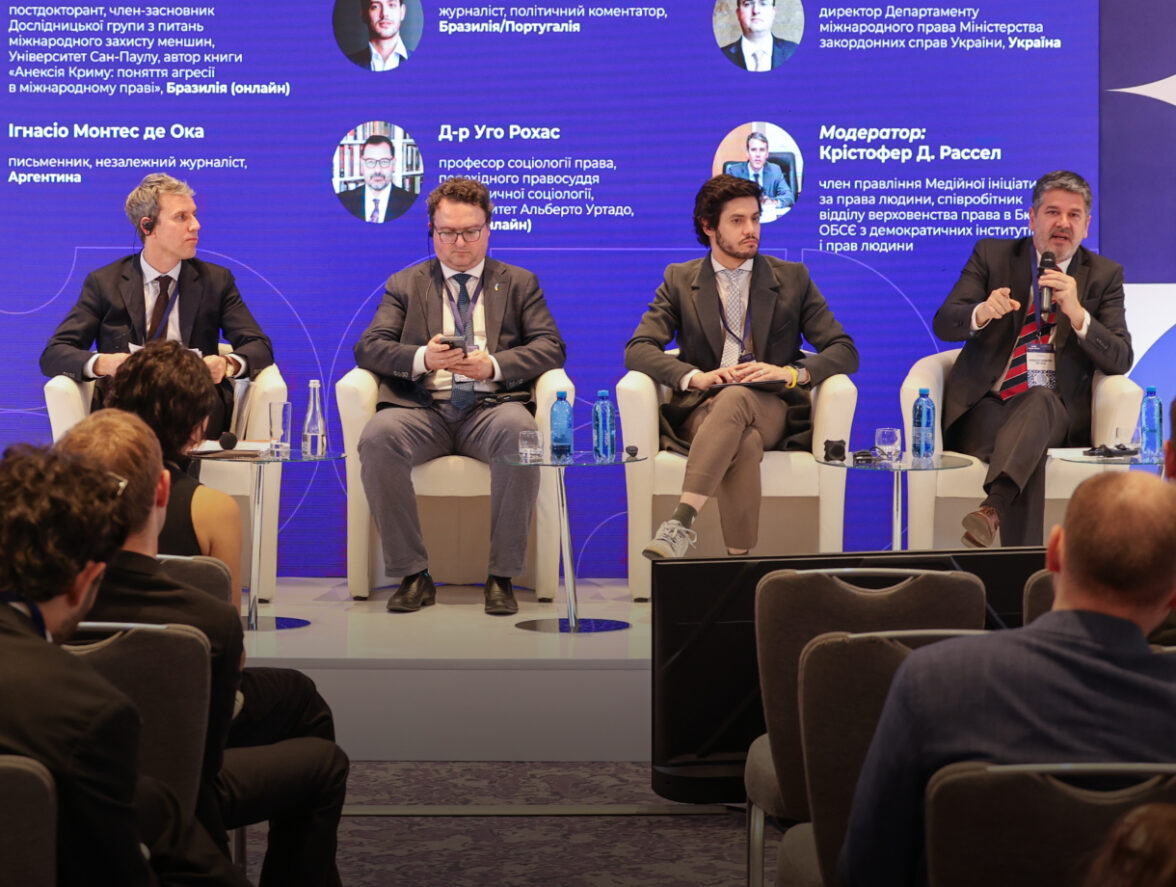
As part of the Third International Conference “Crimea Global. Understanding Ukraine through the South,” the seventh panel discussion, titled “Can Latin America Contribute to Upholding Justice in Ukraine?”, took place.
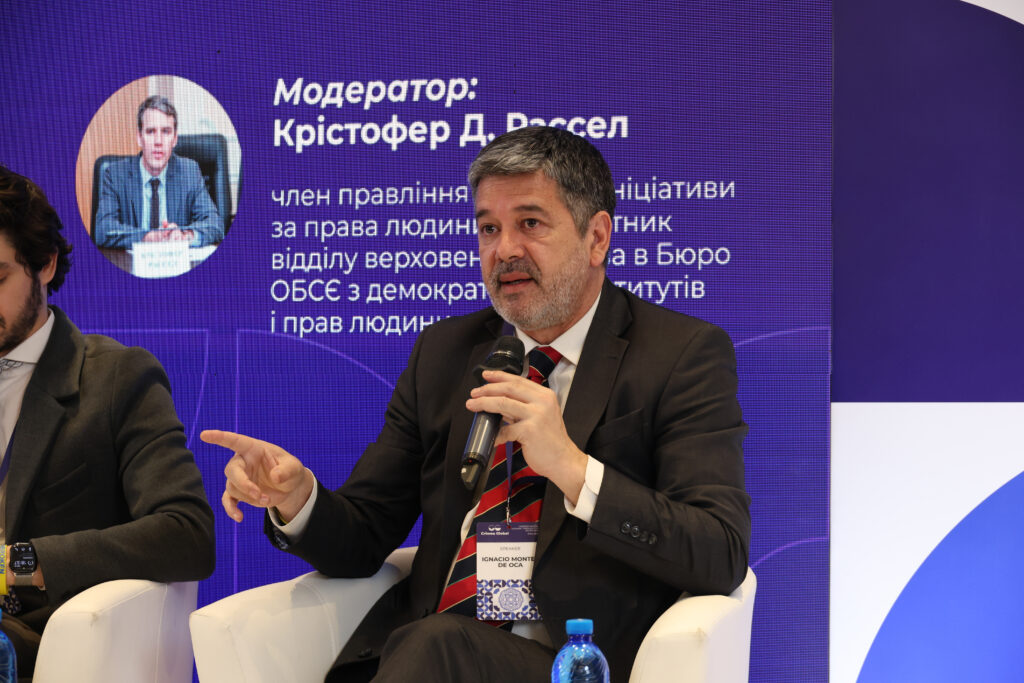
The panel featured Postdoctoral Researcher and founding member of the Research Group on International Protection of Minorities, University of São Paulo, Dr. Felipe Alamino; CNN Portugal journalist Uriã Fancelli; Director of the Department of International Law at the Ministry of Foreign Affairs of Ukraine, Dr Anton Korynevych; writer and independent Argentine journalist Ignacio Montes de Oca; and Professor of Sociology of Law, Transitional Justice, and Political Sociology at Alberto Hurtado University, Dr Hugo Rojas.
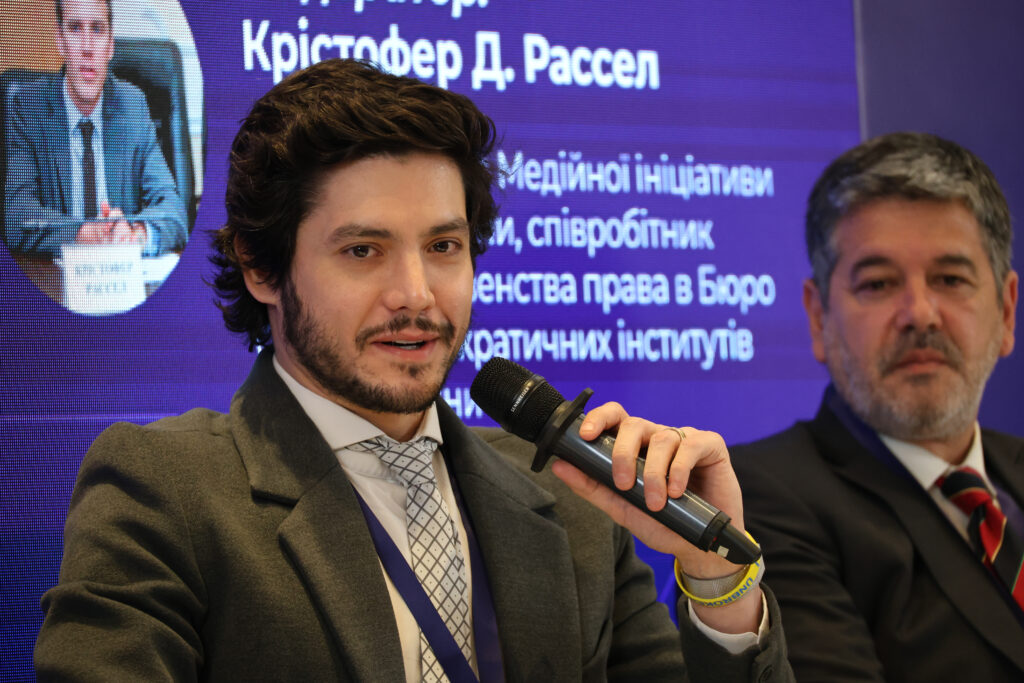
The discussion was moderated by Board Member of the Media Initiative for Human Rights and Officer in the Rule of Law Department at the OSCE Office for Democratic Institutions and Human Rights, Christopher D. Russell.
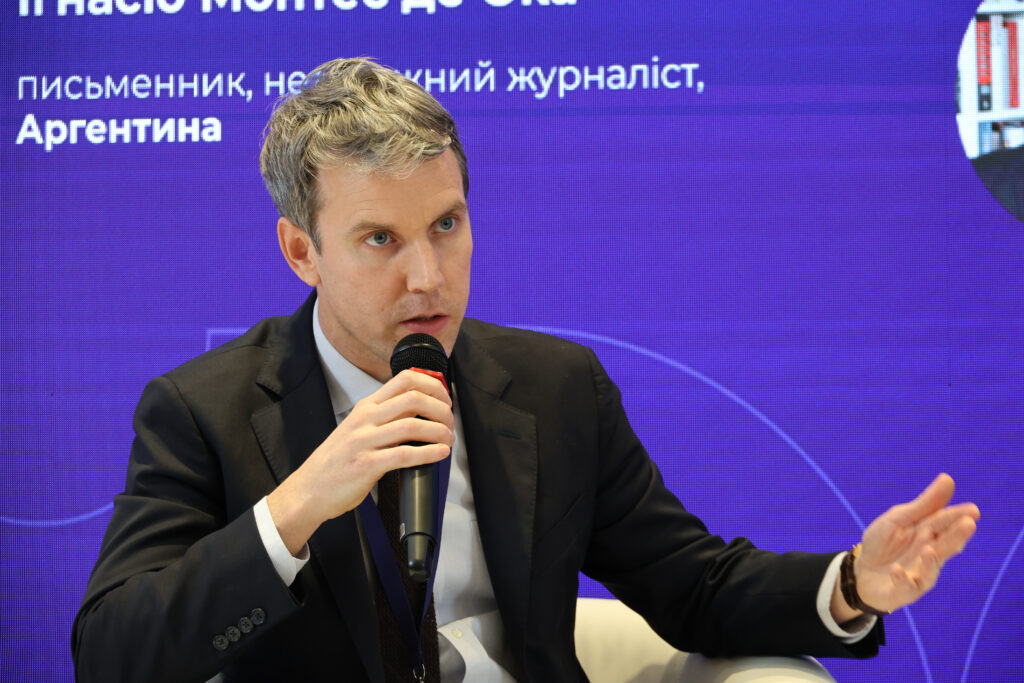
Dr Anton Korynevych focused on the Special Tribunal’s global scope and the importance of involving countries from around the world in its operations. He emphasized that the tribunal is designed to be open to participation from Latin America, Africa, Asia, and other regions. He stressed that the Special Tribunal should serve as a multilateral mechanism, with efforts to engage international partners worldwide.
“This is why we came to the idea that the Special Tribunal should be established on the basis of an agreement between Ukraine and the Council of Europe. Importantly, once adopted, the Enlarged Partial Agreement will be open to any state — including those from Latin America, Africa, and Asia. The doors are open. The Tribunal is not a European project only. It is a global instrument of justice.”
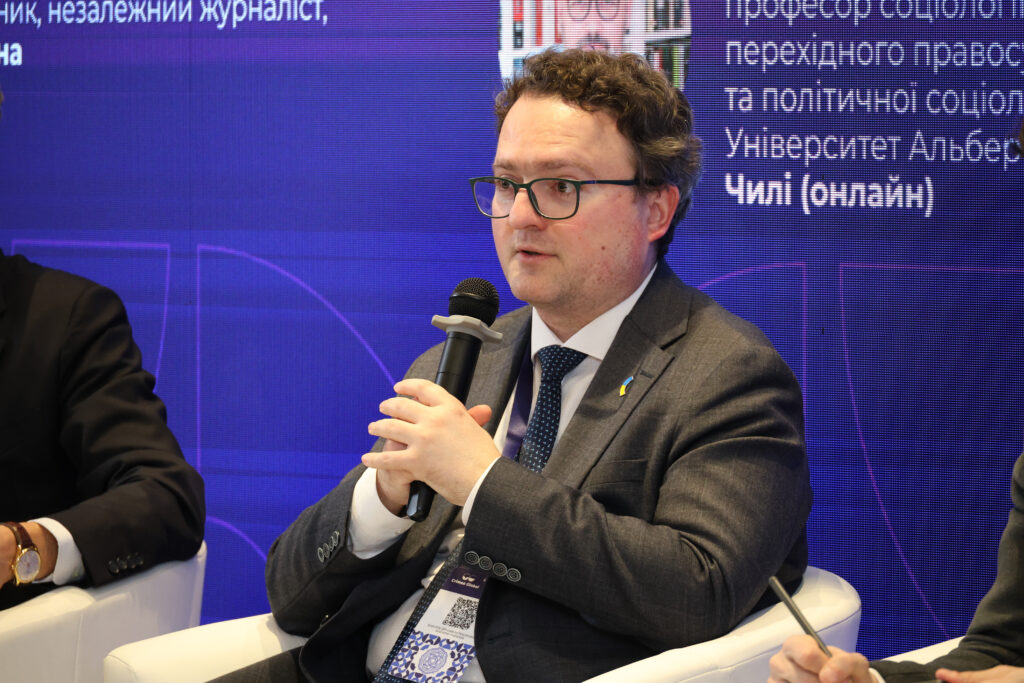
Dr Felipe Alamino discussed the issue of the occupation of Crimea, focusing on the legal consequences of Russia’s aggression. He noted that although there is no specific legal document directly addressing the occupation, the United Nations General Assembly resolution revives the concept of aggression and provides grounds for prosecution. He clarified that the resolution is not legally binding but affirms that the occupation constitutes an act of aggression aimed at violating the state’s territorial integrity, with the use of armed force serving as direct evidence of such aggression.
Dr Hugo Rojas emphasized that Latin America has valuable experience in documenting human rights violations. His recommendations cover various aspects, including documentation, information protection, decision-making processes, informing families, determining who has access to the data, and how to use this information in judicial proceedings. He also stressed the importance of establishing a parallel registration system by civil society in cooperation with the government.
Uriã Fancelli highlighted that Russia can engage with both sides of the political spectrum in Brazil, underscoring the significant role of Russian propaganda in shaping political narratives and influencing public opinion.
Ignacio Montes de Oca emphasized the need for an active response to Russian, Chinese, and Iranian disinformation, noting the importance of coordinating efforts to counter propaganda, disseminate accurate information, and properly inform people about the war.