18 November 2025
Third Panel Discussion “Journalists and the War of the 21st Century” within the Third International Conference “Crimea Global”
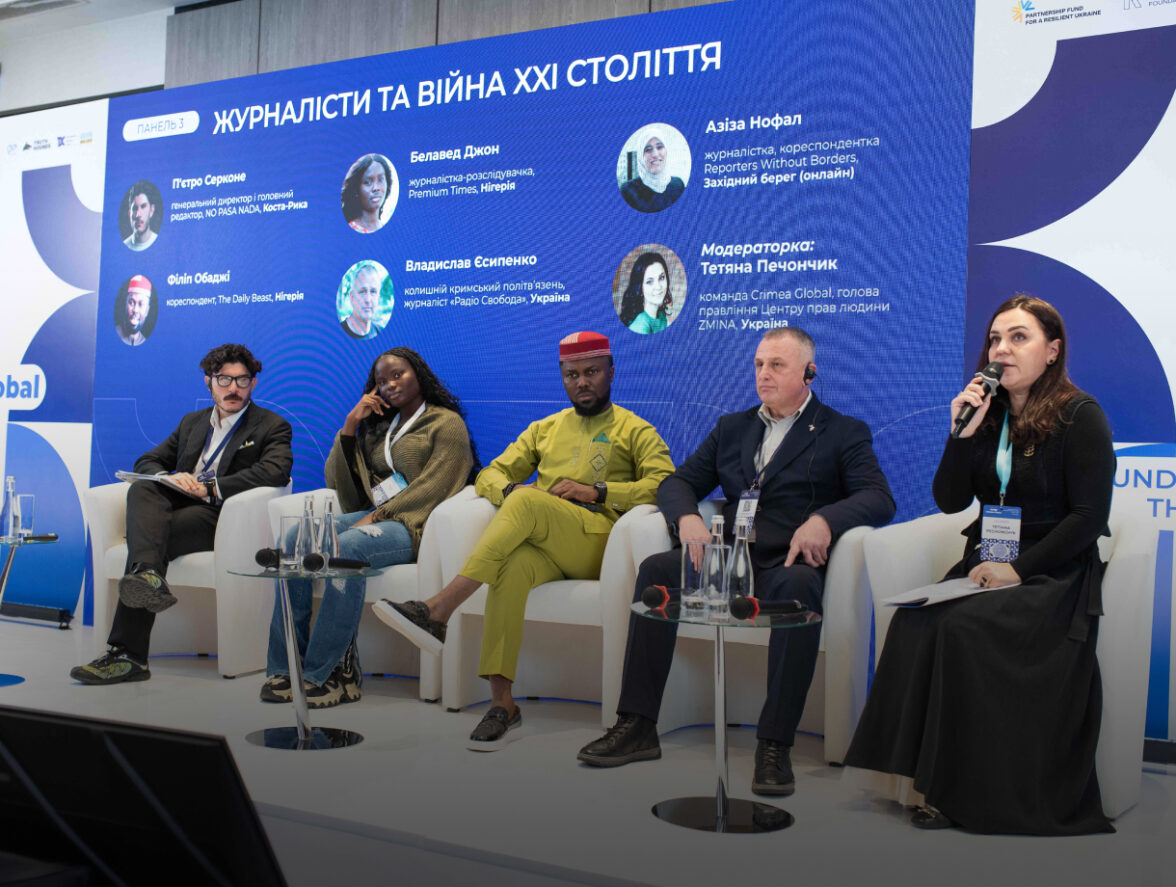
As part of the Third International Conference “Crimea Global. Understanding Ukraine through the South,” the third panel discussion, “Journalists and the War of the 21st Century,” was held. Its purpose was to highlight the challenges facing modern journalism during the difficult times of Russia’s full-scale war against Ukraine.
The panel brought together Reuters journalist Ivan Liubysh-Kirdei (Ukraine); Pietro Cercone, CEO and Editor-in-Chief of No Pasa Nada; investigative journalist Beloved John of Premium Times; Aziza Nofal, correspondent for Reporters Without Borders; Philip Obaji, correspondent for The Daily Beast; and former Crimean political prisoner and Radio Free Europe/Radio Liberty journalist Vladyslav Yesypenko.
The discussion was moderated by Tetyana Pechonchyk, Chair of the Board of the ZMINA Human Rights Center.
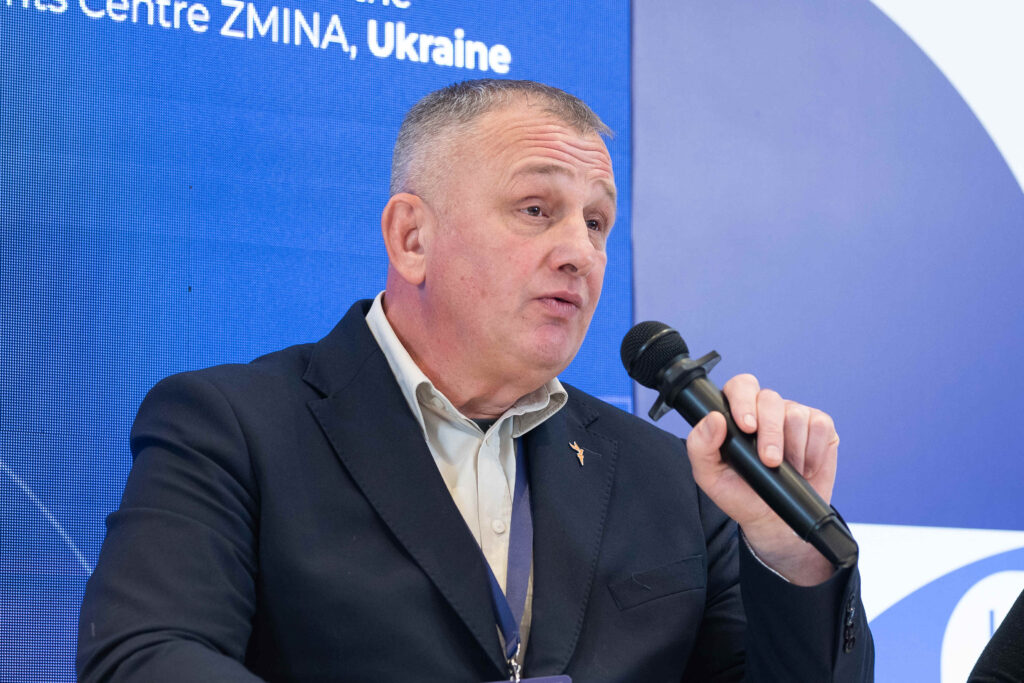
Ivan Liubysh-Kirdei shared his 12 years of experience as a war photojournalist in the ATO/JFO zone. He emphasized that journalists have a duty to create an archive of this war and share it widely, so that Russian propaganda does not prevail.
“My story, I believe, is somewhat symbolic because the Russians are doing everything possible to destroy Ukrainian memory,” Remarked Ivan, referring to his partial memory loss caused by injury.
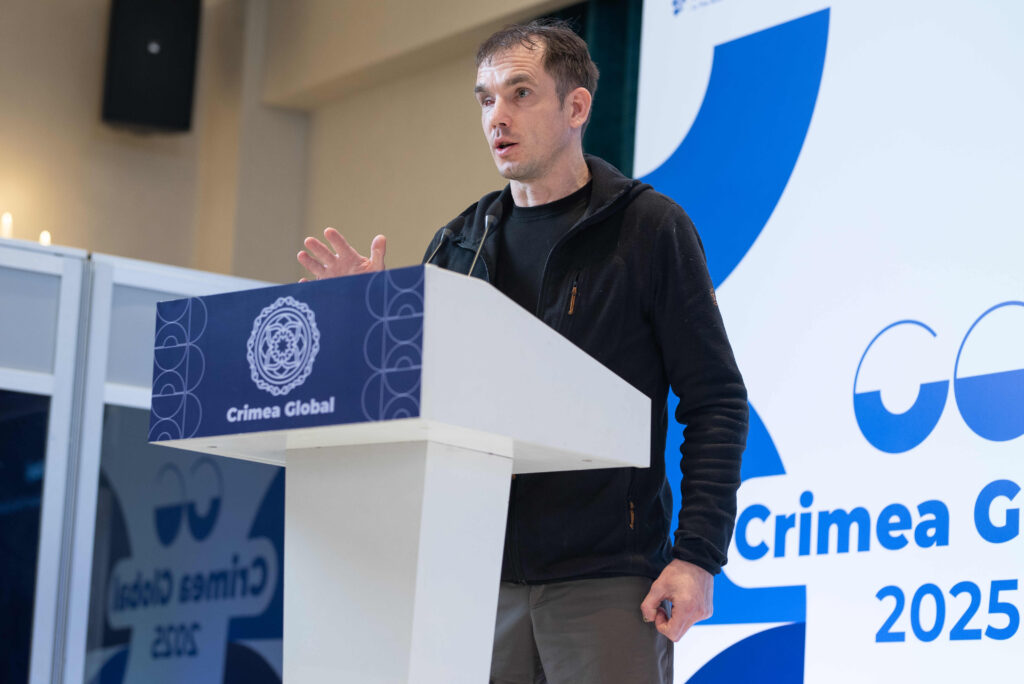
Pietro Cercone noted that Latin America largely depends on major Western media for coverage of the war. He stressed that although digital media make it impossible to conceal war crimes fully, Western outlets have “stepped away from the real consequences of the war” — such as destroyed buildings and hospitals — choosing instead to focus on “geopolitical implications,” including U.S. elections or EU politics.
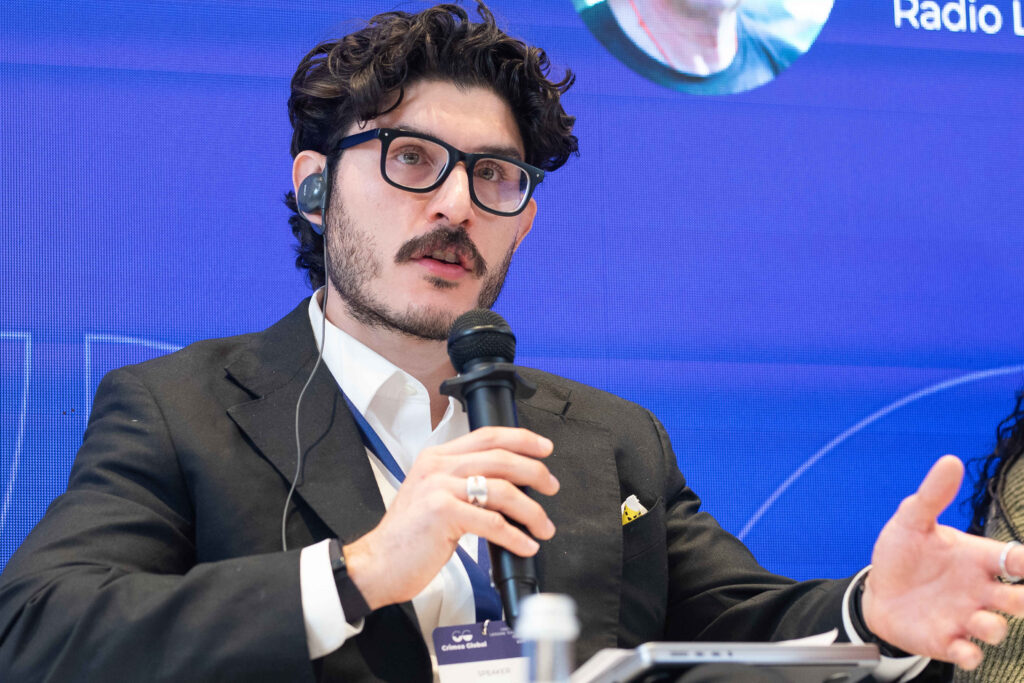
Beloved John underscored that for Nigerian journalists, the absence of an officially declared war does not mean there is no danger. She highlighted the rise of gender-based attacks against women journalists, including online violence, sexualization, and the undermining of their professional credibility. She also noted that in order to resonate with African audiences, it is far more effective to tell stories of specific individuals affected by the war, rather than rely solely on general statistics.
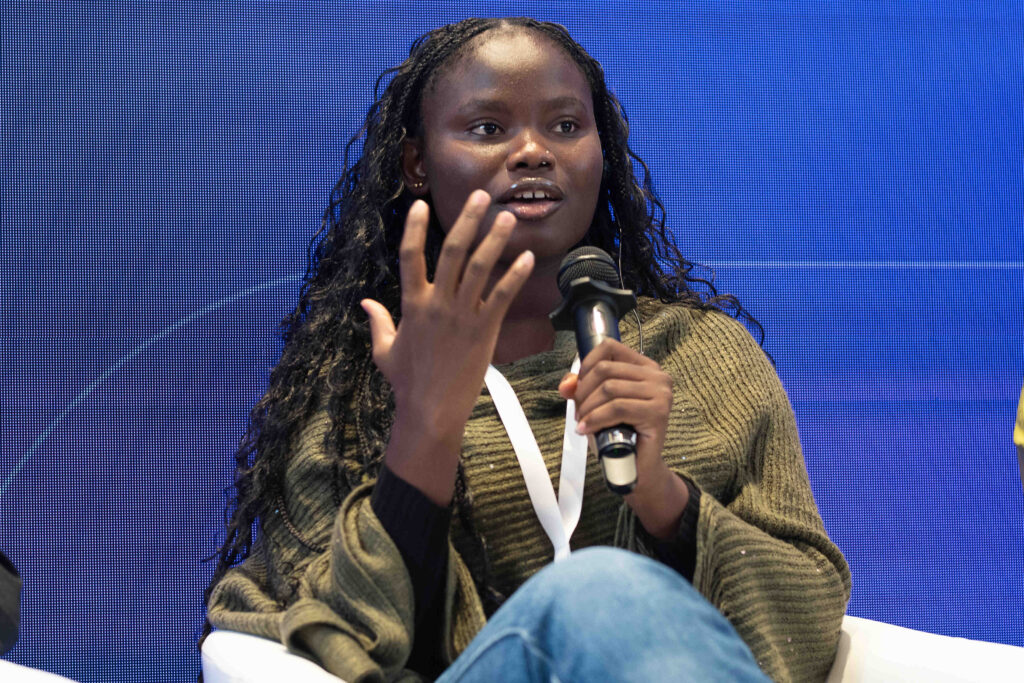
Philip Obaji stressed the importance of exploring new, unconventional storytelling formats to capture public attention effectively. He noted that Russian propaganda is actively spreading across Africa, including through cultural products such as films that promote Kremlin-driven narratives. In his view, countering this influence is the responsibility of everyone — from government leaders to ordinary citizens.
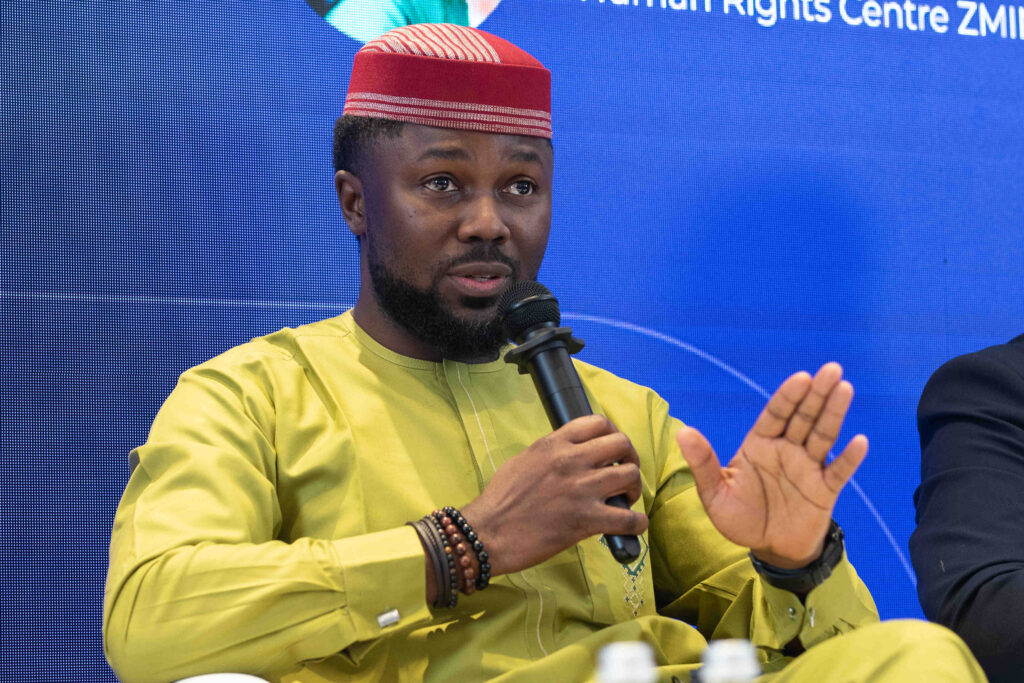
Aziza Nofal emphasized that in today’s world, journalists remain nearly defenseless against systemic persecution, which is widespread across many regions. She warned that the rise in targeted attacks on media professionals has become an alarming global trend, reflecting a broader shift from seeking truth to seeking ways to suppress it.
Vladyslav Yesypenko spoke about his 2021 arrest by Russia’s FSB in Crimea, the torture he endured, and the five years of unlawful imprisonment he fully served. He also drew attention to the case of 70-year-old political prisoner Halyna Dovhopola, who remains in captivity, as well as to political prisoners who died in Russian detention, including Kostiantyn Shyring, who passed away in a Russian prison in 2022 due to the lack of necessary medical care. Yesypenko added that despite repression and fear, people in Crimea continue to support Ukraine and are awaiting the liberation of the peninsula.