23 November 2024
A Side Event “Environmental impact of the Russian aggression: from 2014 to 2024” Held as Part of the Crimea Global
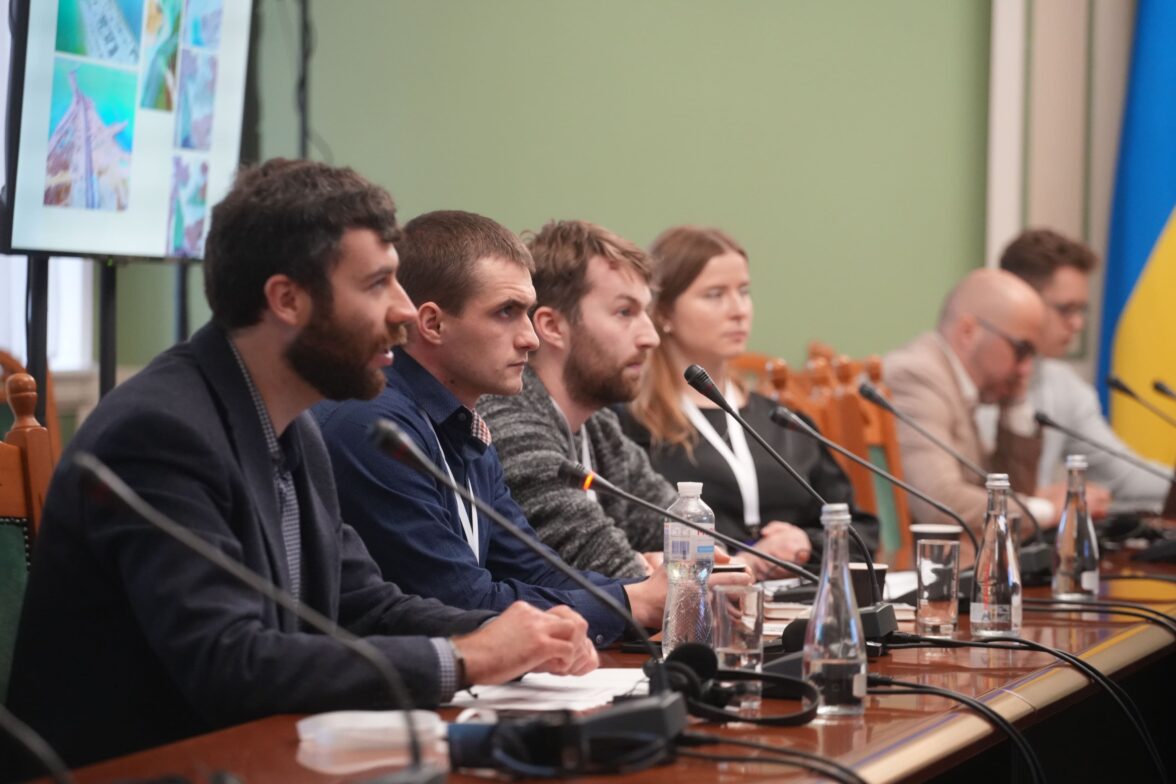
On November 22, as part of the Second International Conference Crimea Global: Understanding Ukraine through the South, a roundtable discussion titled “Environmental impact of the Russian aggression: from 2014 to 2024,” organized by the Center for Information Resilience and the CrimeaSOS NGO, was held.
The panel featured contributions from Tom Jarvis, Senior OSINT Analyst and Training Program Lead at the Center for Information Resilience; Yevhenii Yaroshenko, Analyst at CrimeaSOS; and Bohdan Kuchenko, expert from the Ecoaction NGO. The discussion was moderated by Yuliia Chykolba, Director of the Center for Information Resilience in Ukraine.
The conversation began with Yuliia Chykolba raising the question of the environmental consequences of military actions and their devastating impact on the natural environment.
Bohdan Kuchenko of Ecoaction emphasized that Ukraine’s ecological situation has undergone significant changes, highlighting that the level of environmental degradation is directly linked to the scale of Russian aggression. Kuchenko explained that modern warfare has a profound environmental impact: large areas suffer from fires, with varying recovery times. He stressed issues such as soil and water contamination, biodiversity loss, and the destruction of protected areas like Crimea, the Azov Sea coast, and the Askania-Nova nature reserve. He noted that Russian forces often exploit these territories for their purposes.
“The overall damage from these events is currently impossible to assess. We cannot monitor the situation and still don’t know how ecosystems have been affected. We can only speculate about what is happening in these areas. Nature can recover, but we cannot rely solely on that,” said Bohdan Kuchenko.
Yevhenii Yaroshenko from CrimeaSOS presented the findings of a new report from the organization, focusing on the early stages of Russian aggression in 2014 with the occupation of Crimea. He discussed the destructive impacts of the illegal construction of the Crimean Bridge, the Tavrida highway, and ongoing Russian military exercises. Yaroshenko highlighted the extensive damage or destruction of numerous protected areas during the period of Russian occupation.
Tom Jarvis, Senior OSINT Analyst at the Center for Information Resilience, spoke about tools used to monitor the environmental consequences of Russian aggression, including satellite imagery, NASA FIRMS data, drones, and infrared technologies: “This information is incredibly valuable, especially for people who have no voice in these regions,” he said, emphasizing the importance of verifying all data.
The discussion also addressed Russia’s accountability for environmental crimes. Yevhenii Yaroshenko underscored the need to distinguish between state and individual responsibility while acknowledging the numerous challenges related to international organizations and agreements.
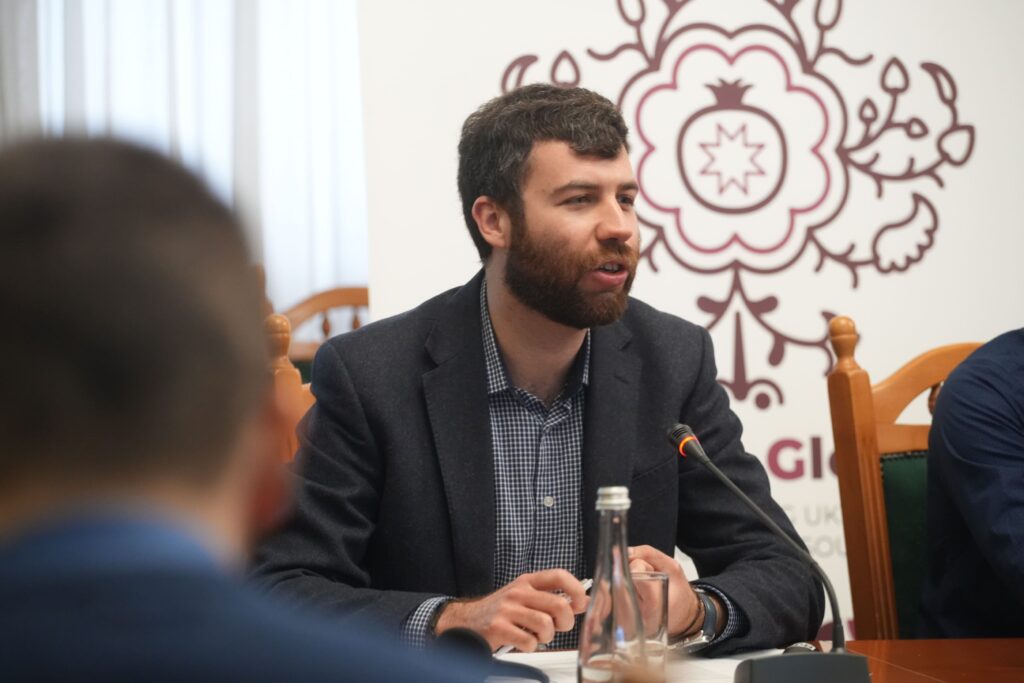
The topic of Black Sea pollution was also raised. Bohdan Kuchenko warned of potential consequences for all Black Sea region countries: “If we want to prevent pollution, we must stop Russian aggression,” he stressed.
The event concluded with a lively discussion on Russia’s colonial policies in Crimea, during which Yuliia Chykolba and Yevhenii Yaroshenko noted that Russia’s systematic crimes could serve as key evidence for holding it accountable on the international stage.
#CrimeaGlobal #CrimeaIsUkraine