24 October 2024
Expert Discussion Held as Part of the Third Parliamentary Summit of the Crimea Platform
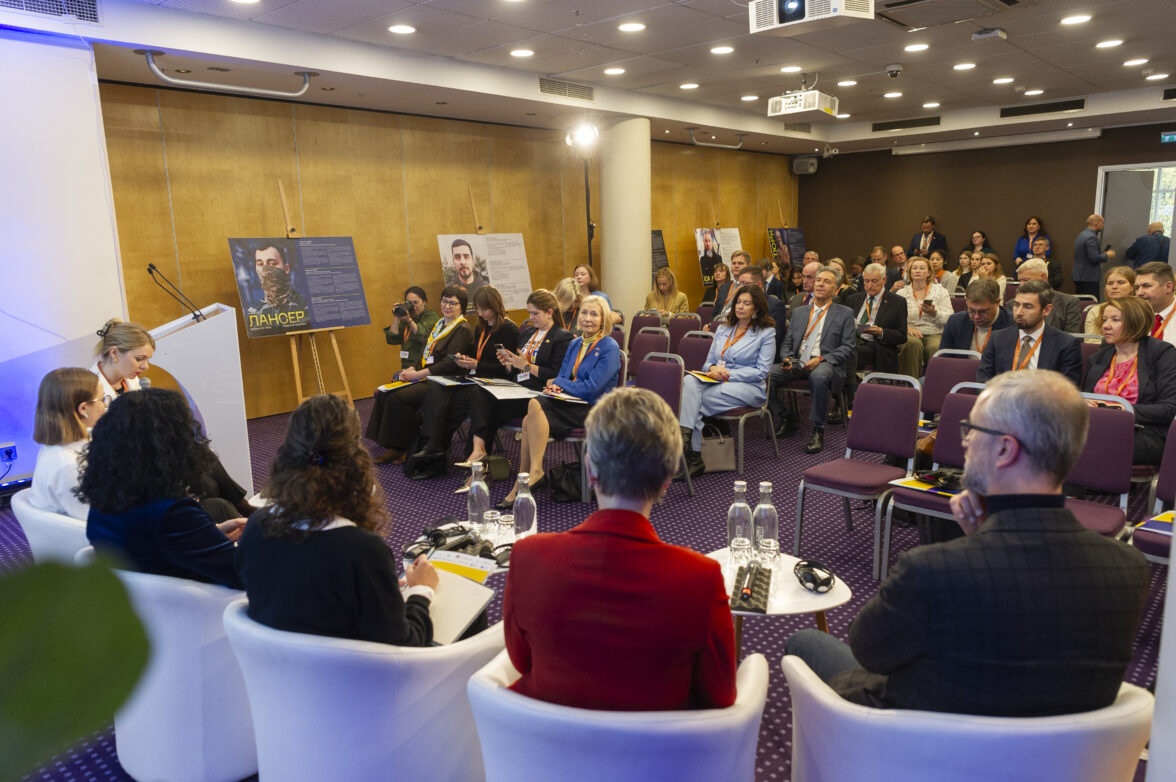
As part of the Third Parliamentary Summit of the Crimea Platform, an expert discussion was held, organized by the Crimean Human Rights Group, the Latvian Institute of Foreign Policy, and the Latvian Development Cooperation Platform, focusing on Russia’s accountability and the impact of the war on European security.
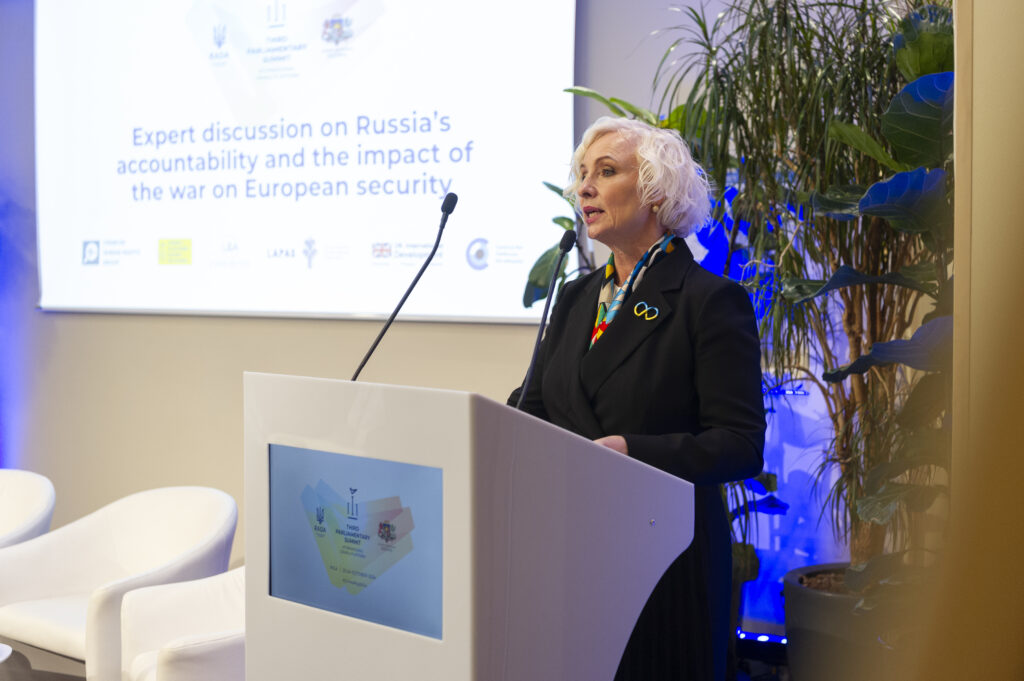
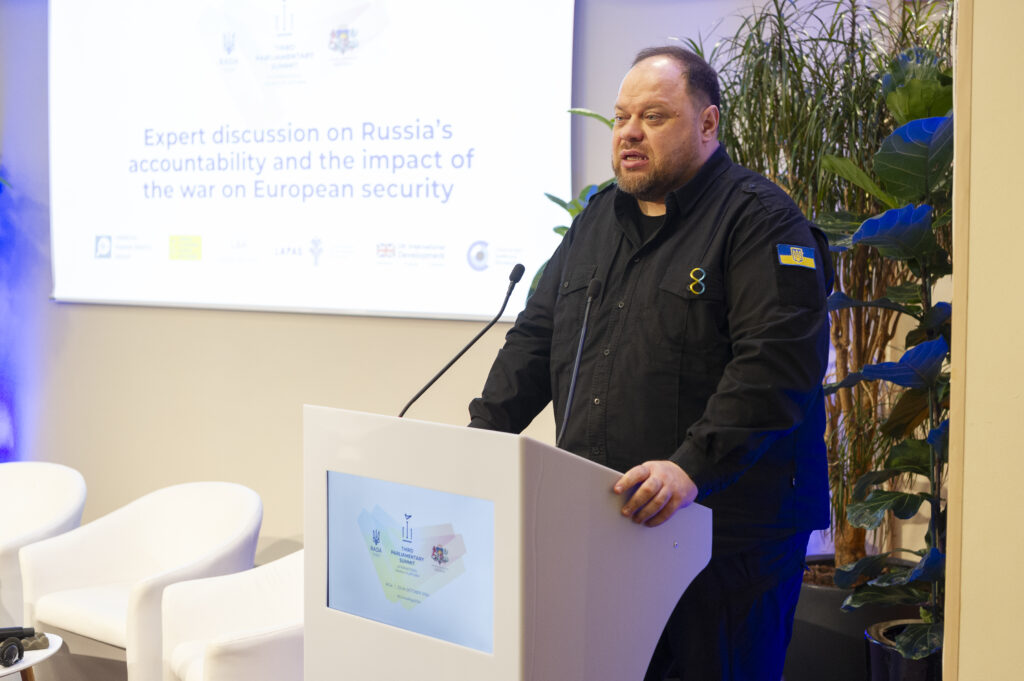
The opening remarks were delivered by Speaker of the Latvian Seimas Daiga Mieriņa, who emphasized that Russian aggression extends far beyond Ukraine and is aimed against democratic values and the rule of law. Chairman of the Verkhovna Rada of Ukraine, Ruslan Stefanchuk, noted that the Parliamentary Summit stands out among other events because it takes a comprehensive approach to the issues. He emphasized that it is not only about political statements by parliamentary leaders but also deep expert work. Furthermore, a Human Rights Ombudsman Summit is also being held, where human rights on the occupied territories are discussed in a competent manner.
The first panel featured Tamila Tasheva, Permanent Representative of the President of Ukraine in the Autonomous Republic of Crimea; Daryna Pidhorna, lawyer at the Regional Center for Human Rights; Nariman Dzhelyal, First Deputy Chairman of the Mejlis of the Crimean Tatar People; Kristīne Līce, Legal and International Law Advisor to the President of Latvia; and Nadiia Volkova, Director of the Ukrainian Legal Advisory Group. The moderator was Sintija Broka, Deputy Head and Head of the Middle East Research Program at the Latvian Institute of International Relations. The first panel focused on ensuring justice for victims of international crimes to guarantee lasting peace.
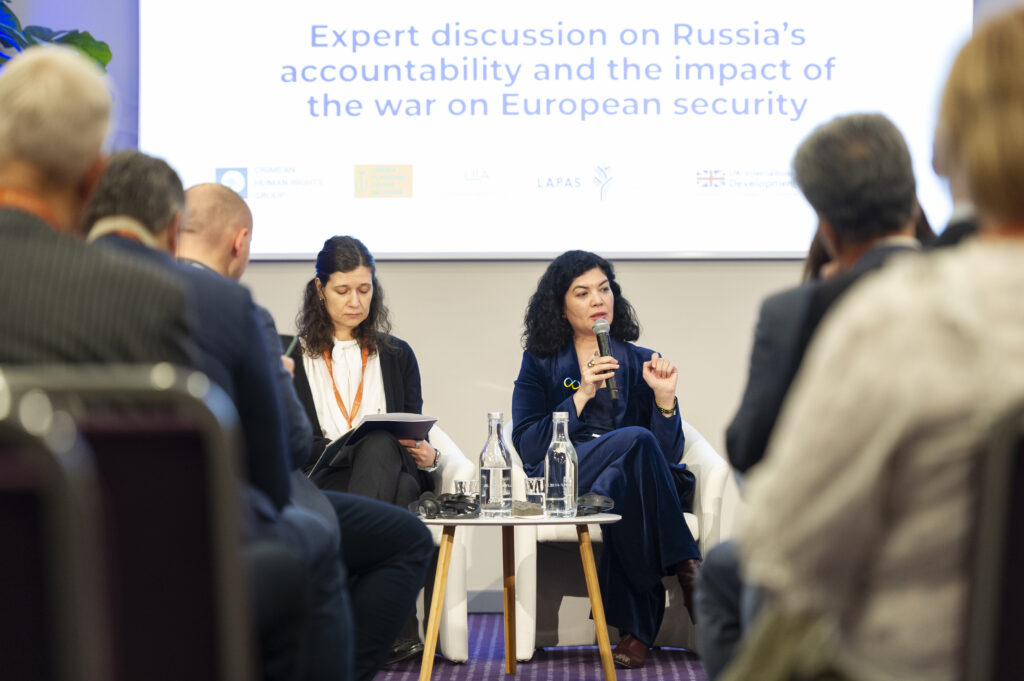
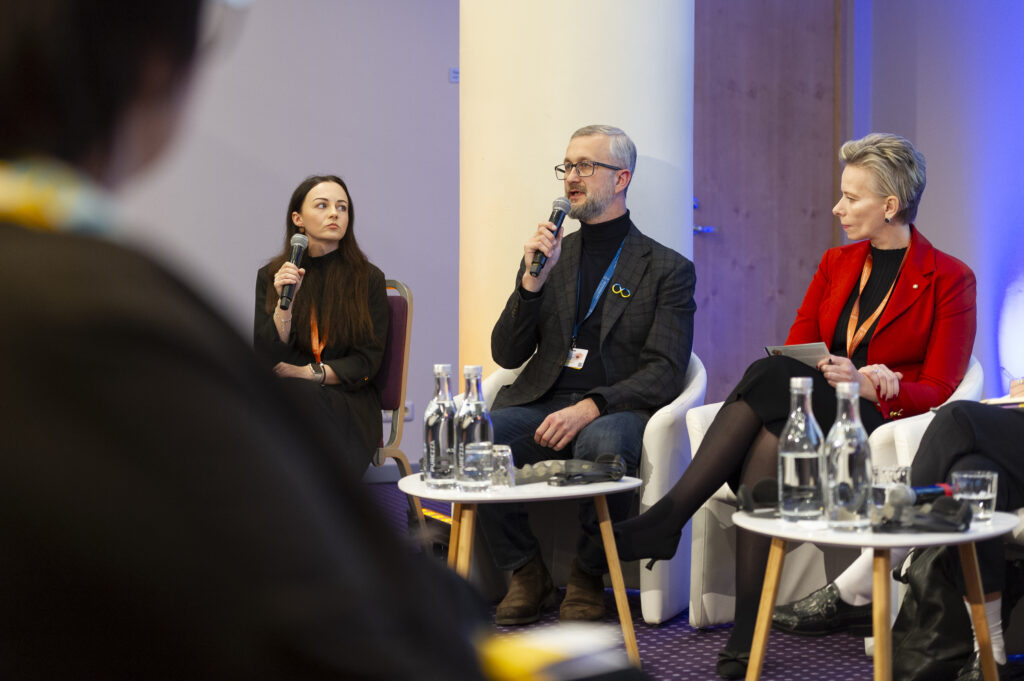
In her speech, Tamila Tasheva emphasized the importance of continuing international pressure on Russia and highlighted critical issues such as human rights violations, unlawful persecutions, environmental issues, and the destruction of cultural heritage in occupied Crimea.
The Permanent Representative also drew attention to the issue of forced resettlement of civilians. She stressed that Russia is actively changing the demographic composition of Crimea by unlawfully relocating Russian citizens to the peninsula while forcing local residents to leave their homes.
“Even when people understand that they might be punished, they continue to resist in Crimea. And when I hear the narrative that the majority of people in Crimea support the occupation, I want to strongly emphasize: the people in Crimea are resisting the occupation, even knowing the threat to their lives and safety,” said the Permanent Representative.
Additionally, Tamila Tasheva underscored the importance of a strategic approach in communications with countries of the Global South, as the issue of Crimea transcends Ukraine’s internal problems and is a key aspect of European and global security, given that the Russian occupation of the peninsula has serious implications for food, energy, and military security not only in Europe but worldwide.
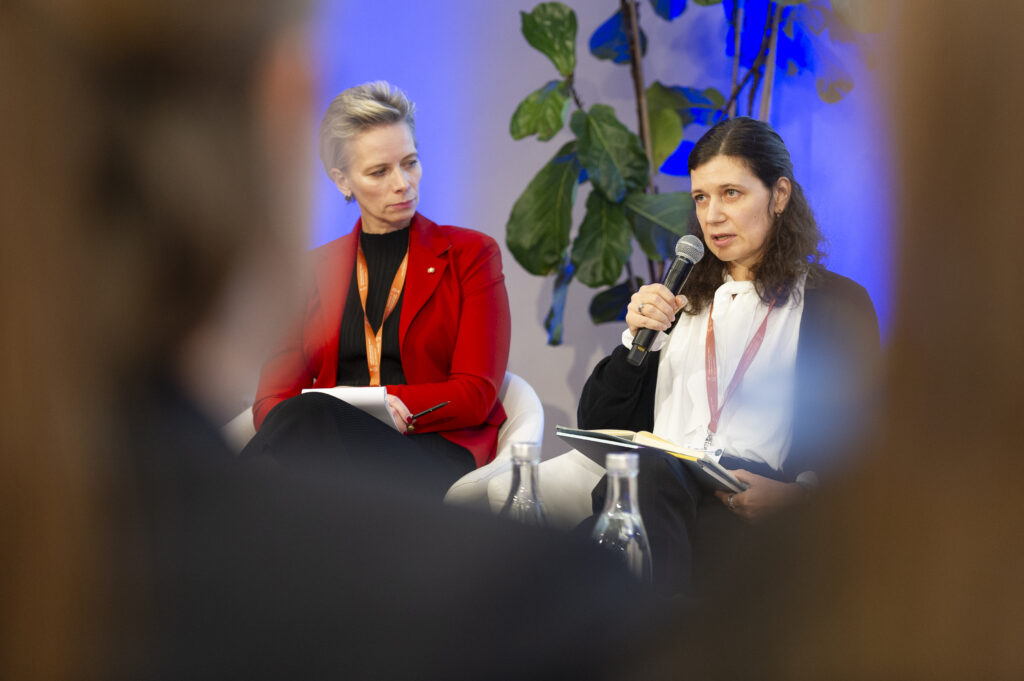
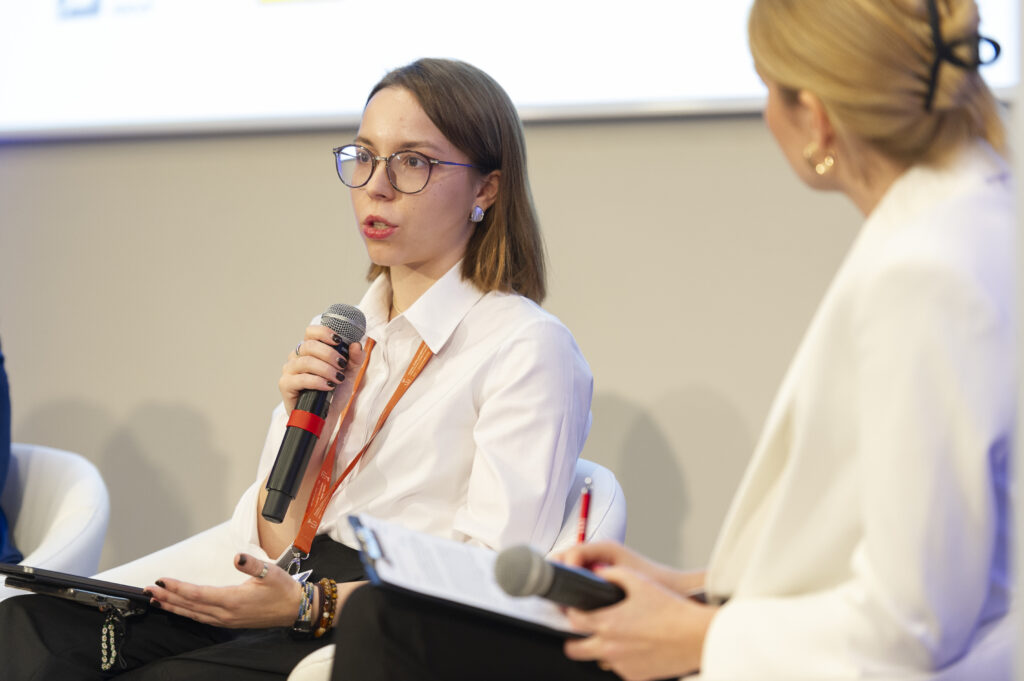
Daryna Pidhorna emphasized that restoring justice is not only about holding Russian criminals accountable but also about reintegrating the victims, particularly ensuring their rights, personal safety, and financial compensation.
She also highlighted the importance of addressing the equality and rights of all victims of Russian aggression, whether they have been forced to survive under Russian occupation for over ten years or were compelled to flee mainland Ukraine or abroad due to persecution by the Russian occupation regime.
Nariman Dzhelyal emphasized the importance of holding not only Russia, as a state, and Russian war criminals accountable but also all Russians involved in the mistreatment of Ukrainian prisoners, both military and civilian.
“As you know, I have personal experience of being in Russian captivity. Therefore, it is crucial to understand that the lawlessness perpetrated by Russia continues even after a person is imprisoned. Even after receiving an unjust sentence based on a fabricated case, individuals endure severe hardships. That is, the crime Russia commits does not end with a court ruling; it continues afterward. Therefore, we must pay close attention to what is happening in prisons and places of illegal detention of our citizens, both in occupied territories and in Russia,” said Nariman Dzhelyal.
Kristīne Līce noted that unlike national law, international law is decentralized. In international law, there is no enforcement mechanism like the police in national law to ensure compliance with laws and hold criminals accountable. Therefore, in international law, effectiveness depends on the political will of states. Consequently, the creation of an international tribunal to hold the Russian state leadership accountable also depends on the political will of states.
Nadiia Volkova emphasized that human rights organizations in Ukraine operate in conditions where they do not have access to the occupied territories, making it challenging to gather evidence of human rights violations. She also noted that Ukraine is utilizing all possible international instruments to uphold human rights, though some are limited due to Russia’s involvement.
The second panel will focus on negotiations regarding the development of a national resilience strategy and on Ukraine’s knowledge and capabilities to adapt its lessons for partner countries. Experts, along with representatives of the Crimean Human Rights Group, explored the lessons learned by Ukraine during the war and how they can be applied by countries facing security challenges posed by Russia, including hybrid threats.
Participants in the discussion included Viktor Kevliuk, reserve colonel and expert at the Center for Defense Strategies; Oleksandr Kharchenko, Director of the Energy Research Center; and Jānis Kažociņš, honorary member of the Center for Geopolitical Studies. The discussion was moderated by Alina Frolova, Security Coordinator of the Crimea Platform Expert Network.
.
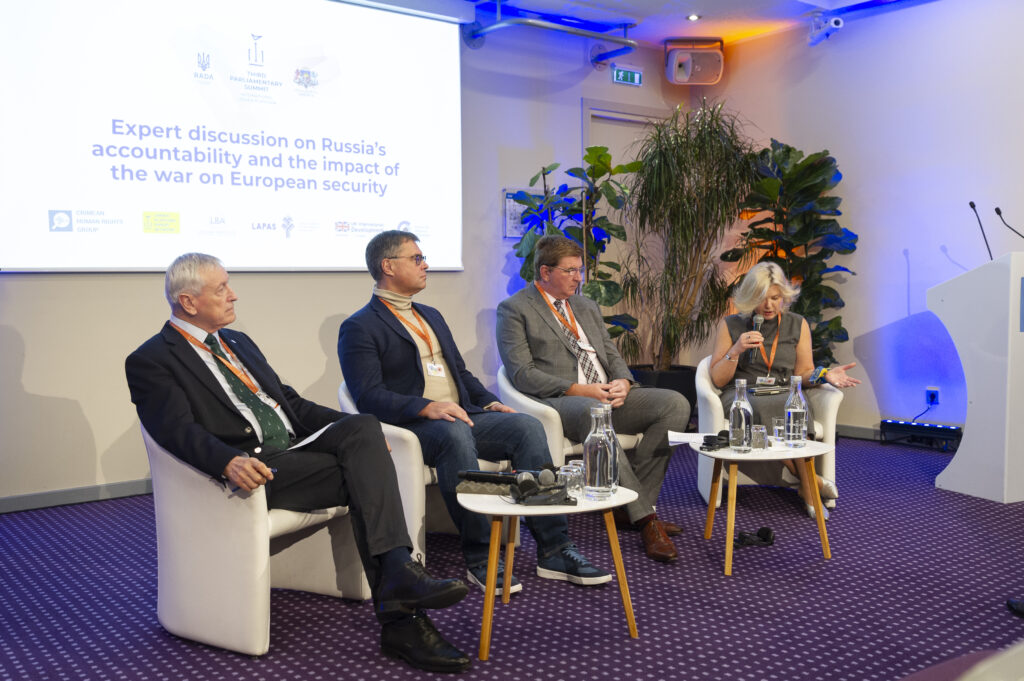
In particular, the participants discussed Russia’s blockade of Ukrainian ports and attacks by Russian troops on Ukrainian maritime activities in general. Experts noted the importance of employing various methods of warfare at sea, such as using drones and other modern equipment, and how Ukraine’s experience can be valuable to other countries.
Attention was also drawn to the lack of readiness of European populations for blackouts caused by Russian attacks on critical infrastructure. The threat of water and electricity shortages could cause panic, as could the absence of mobile reception. For example, only Ukrainian Internet providers have experience working under blackout conditions.
Experts mentioned Israel’s experience in securing its electrical infrastructure. European countries, as well as Ukraine and Israel, could face cases of terrorist attacks on infrastructure, raising whether they are prepared for such events.
They also addressed the nuclear threat, pointing out that a nuclear power plant in Ukraine is under Russian control and that Russia’s political leadership is unpredictable.
At the end of the discussion, experts concluded that Ukraine faces threats in various forms: repression against Ukrainians in the occupied territories, destruction along the front lines, and damage to critical infrastructure in the rear. All of these experiences are valuable for other countries.
#Crimea #CrimeaPlatform #CrimeaIsUkraine #CrimeaRiga2024