20 January 2025
In a Penal Colony in Bashkortostan, Muslim Prisoners Are Being Deprived of the Quran in Arabic — Vadym Siruk
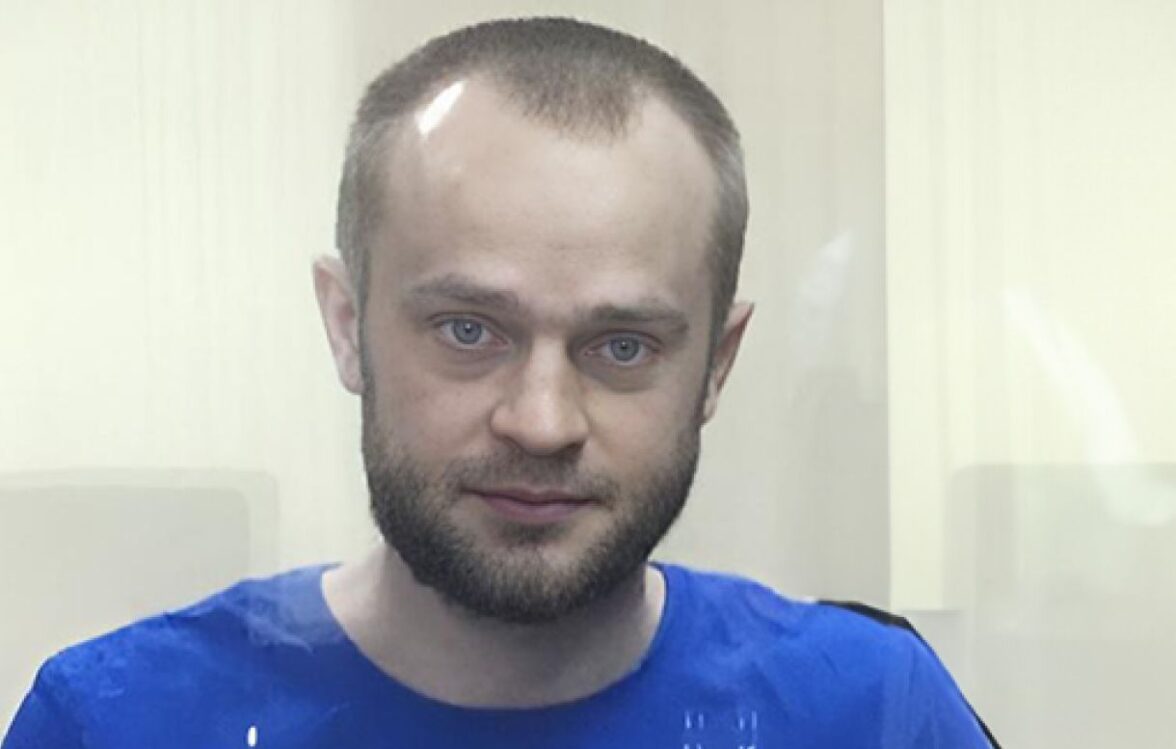
Vadym Siruk, a Crimean activist unlawfully imprisoned in Penal Colony No. 2 in Bashkortostan, has reported that the colony’s administration has begun confiscating Qur’ans in Arabic from Muslim inmates. Siruk conveyed this information to his wife, Anna Bohachova, via the “Zonatelekom” communication system.
According to Siruk, the colony staff justified their actions by referring to an “instruction from the administration,” claiming that books in Arabic are prohibited. However, Siruk’s copy of the Qur’an had previously passed inspection, bore the necessary stamps, and was not included in any list of banned literature.
Another political prisoner, Teimur Abdullaiev, who is also held in Penal Colony No. 2 in Salavat, has reported similar restrictions. In December 2024, Abdullaiev informed his lawyer, Emil Kurbedinov, that he was placed in solitary confinement and forbidden to take his Qur’an with him. The administration of the penal institution explained this decision by stating that books in Arabic are “banned by the local management of the Federal Penitentiary Service.”
Lawyer Emil Kurbedinov points out that, according to the law, inmates are only prohibited from possessing publications that promote violence, religious or national hatred, or are pornographic in nature. The Qur’an, including its translations, is not listed in any registry of extremist literature. “These actions are illegal. For many Muslims, the Qur’an is their sole source of solace in the conditions of penal colonies, and such bans cause them moral suffering,” Kurbedinov emphasized.
Vadym Siruk and Teimur Abdullaiev have repeatedly appealed to the prosecutor’s office, which acknowledged that confiscating Qur’ans violates the law. Nevertheless, the administrations of the penal colonies continue to practice this illegal policy.
Vadym Siruk, along with Teimur and Uzeir Abdullaiev, was unlawfully convicted in connection with the Hizb ut-Tahrir case, which the occupational administration used to persecute Muslims. These actions are part of a broader policy of ethnic and religious discrimination conducted by Russia in the occupied territories. Such repressions violate Article 18 of the Universal Declaration of Human Rights and other international norms guaranteeing the right to freedom of religion.
We call on the international community to address these violations and increase sanctions pressure on Russia. Religious persecution in occupied Crimea must be stopped. Restoring the rights of religious communities and ensuring freedom of worship can only be achieved through the de-occupation of the peninsula.